

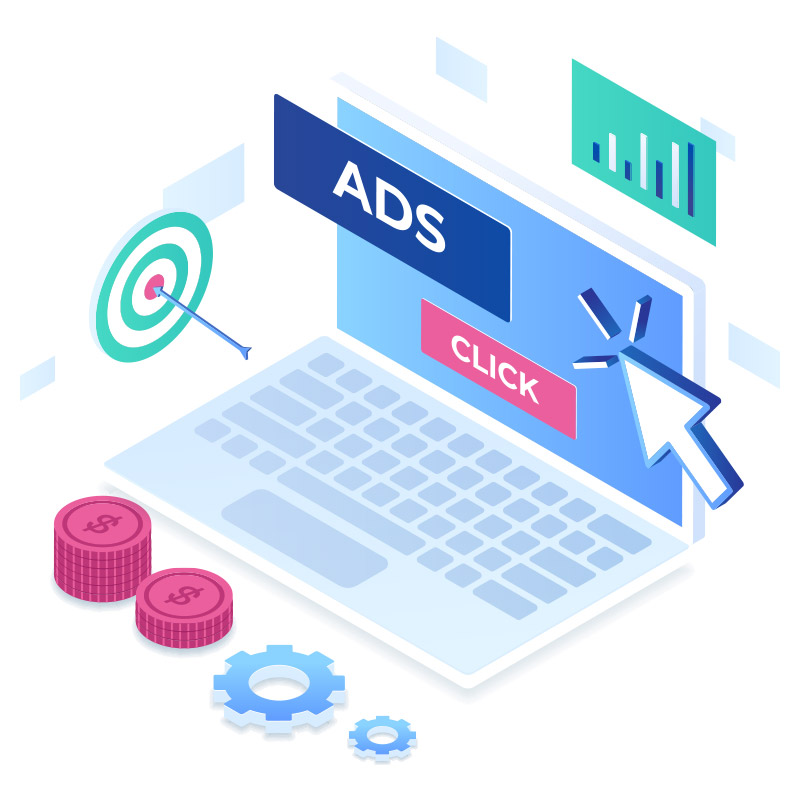
Paid campaigns marketing, often referred to as paid advertising or pay-per-click (PPC) marketing, is a digital marketing strategy in which advertisers pay a fee each time their ad is clicked or displayed on various online platforms. The primary goal of paid campaigns is to drive traffic, generate leads, increase conversions, and achieve specific marketing objectives. Here are some key aspects of paid campaigns marketing:
1. Advertising Platforms: Paid campaigns can be run on various online advertising platforms, including:
Google Ads: Allows advertisers to display ads on Google's search engine and partner sites.
Bing Ads: Similar to Google Ads but targets the Bing search engine and its partners.
Social Media Advertising: Platforms like Facebook Ads, Instagram Ads, Twitter Ads, LinkedIn Ads, and Pinterest Ads enable businesses to target specific demographics and interests.
Display Advertising: Involves placing banner ads on websites within a network of publishers.
Video Advertising: Utilizes video ads on platforms like YouTube and social media.
Shopping Ads: Ideal for e-commerce businesses, these ads showcase products with images, prices, and links to purchase.
2. Keyword Targeting: One of the core components of paid advertising is keyword targeting. Advertisers bid on keywords relevant to their products or services, and their ads are displayed when users search for those keywords.
3. Ad Creatives: Designing compelling ad creatives is crucial to grab the attention of users. Advertisers create text ads, image ads, video ads, or carousel ads, depending on the platform.
4. Ad Campaign Budget: Advertisers set a daily or monthly budget for their campaigns. Once the budget is exhausted, the ads stop running until the budget is replenished.
5. Ad Placement: Advertisers can choose where their ads appear, whether in search engine results, social media feeds, websites, or mobile apps. They can also target specific geographic locations.
6. Ad Bidding: Advertisers bid for ad placements through an auction system. The cost per click (CPC) or cost per thousand impressions (CPM) depends on the competitiveness of the keyword or ad placement.
7. Ad Targeting: Beyond keyword targeting, paid campaigns allow advertisers to target specific demographics, interests, behaviors, and remarketing lists to reach a more relevant audience.
8. Conversion Tracking: Setting up conversion tracking is essential to measure the effectiveness of paid campaigns. It helps identify which ads and keywords lead to desired actions, such as form submissions, purchases, or downloads.
9. A/B Testing: Advertisers often conduct A/B tests to compare different ad variations and optimize performance. This can include testing headlines, ad copy, images, and calls to action.
10. Quality Score: Platforms like Google Ads use Quality Score to assess the relevance of ads to keywords. Higher-quality ads can achieve better ad placements at lower costs.
11. Ad Scheduling: Advertisers can choose when their ads are displayed to target users at specific times or days, aligning with their target audience's behavior.
12. Campaign Monitoring and Optimization: Ongoing monitoring and optimization of paid campaigns are essential to maximize ROI. This includes adjusting bid strategies, refining targeting, and pausing underperforming ads.
Paid campaigns marketing is a versatile and scalable strategy that can be tailored to various business goals, whether it's increasing website traffic, driving sales, boosting brand awareness, or generating leads. Effective management and continuous optimization are key to achieving success in paid advertising.