

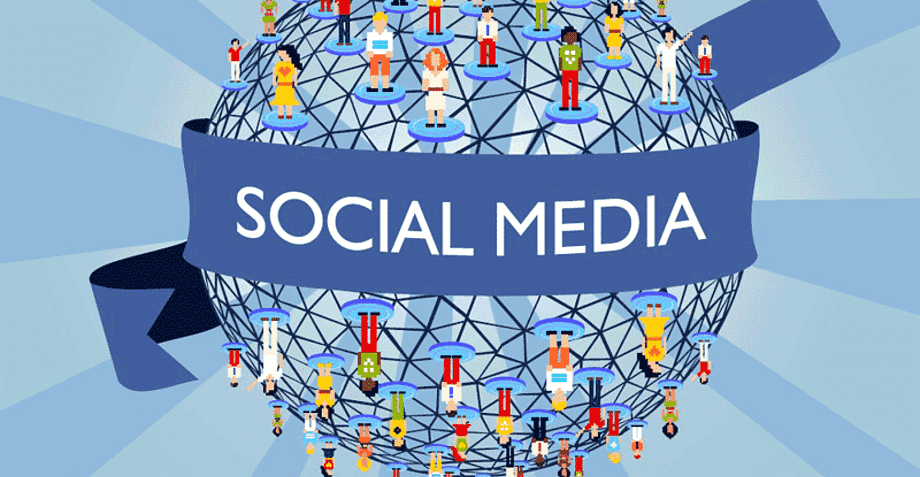
Social media marketing is a subset of digital marketing that focuses on using social media platforms to connect with and engage your target audience. It involves creating and sharing content on social media networks to achieve marketing and branding goals. Here are key aspects and strategies of social media marketing:
Choosing the Right Platforms: Not all social media platforms are suitable for every business. You should identify where your target audience spends their time and focus your efforts on those platforms. Common platforms include Facebook, Instagram, Twitter, LinkedIn, Pinterest, Snapchat, and TikTok.
Creating a Content Strategy: A well-thought-out content strategy is essential. It involves determining what type of content you'll create (e.g., text, images, videos, infographics), how often you'll post, and the themes or topics you'll cover. Content should be tailored to the preferences of your target audience.
Consistency: Consistency is crucial in social media marketing. Regularly posting content helps keep your audience engaged and builds brand recognition. Use content calendars to plan your posts in advance.
Engagement and Interaction: Social media is a two-way communication channel. Respond to comments, messages, and mentions promptly. Engage with your audience by asking questions, running polls, and encouraging discussions.
Paid Advertising: Most social media platforms offer paid advertising options, such as Facebook Ads, Instagram Ads, and LinkedIn Ads. These allow you to target specific demographics, interests, and behaviors to reach your ideal audience. Paid ads can be highly effective in boosting visibility and conversions.
Influencer Marketing: Partnering with influencers in your niche can help you reach a wider audience. Influencers have dedicated followers who trust their recommendations. Collaborating with influencers can boost your brand's credibility.
Hashtags: Use relevant hashtags to increase the discoverability of your content. Research popular and trending hashtags within your industry or niche, and include them in your posts.
Analytics and Insights: Social media platforms provide analytics and insights that can help you track the performance of your content and campaigns. You can measure metrics such as engagement rate, reach, clicks, and conversions. Analyzing this data helps you refine your strategy.
User-Generated Content (UGC): Encourage your customers and followers to create content related to your brand. Sharing UGC not only increases engagement but also builds trust as it showcases real people using your products or services.
Community Building: Foster a sense of community around your brand. Encourage discussions, host Q&A sessions, and create groups or forums where your audience can connect with each other.
Contests and Giveaways: Running contests or giveaways can increase engagement and expand your reach. However, ensure that the rules comply with each platform's guidelines.
Monitoring and Reputation Management: Keep an eye on what people are saying about your brand on social media. Address negative comments and reviews professionally and promptly. Positive engagement with customers can enhance your reputation.
Adaptation: Social media trends change rapidly. Stay updated on the latest features and trends on each platform and adapt your strategy accordingly.
Social media marketing can be a powerful tool for building brand awareness, driving traffic to your website, generating leads, and fostering customer loyalty. However, it requires careful planning and ongoing effort to see results. It's also important to maintain a consistent brand voice and image across all social media channels.